
The Science of Longevity: How Advanced Biometrics and Data Analytics Are Redefining Athlete Careers
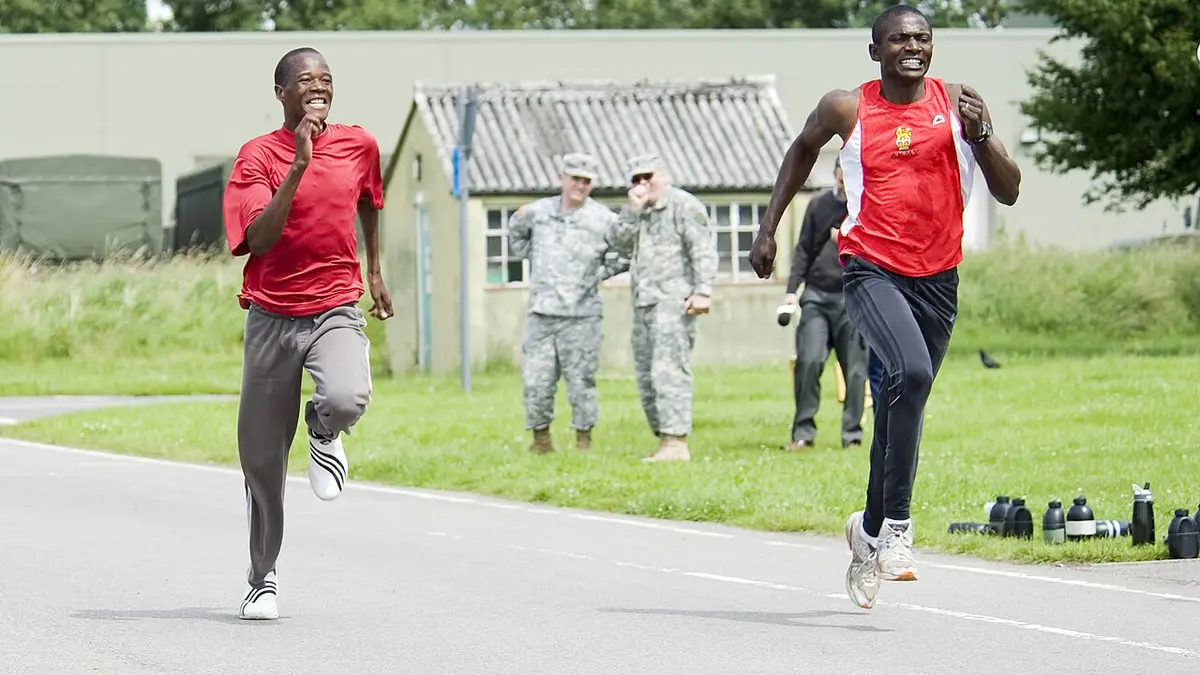
How monitoring can inform training—and why a measurement is not a prediction of injury or career length.
The Beginning
An athlete’s career is shaped by performance, opportunity, motivation, injury, recovery and many other factors. Exceptional careers can make it tempting to credit a single technology with extending sporting life. That conclusion requires more evidence than a wearable device or a memorable success story. A more useful starting point is to ask what information teams collect, how they use it and whether a proposed benefit has actually been demonstrated.
The Evolution
Monitoring can combine records of training and competition with observations of how an athlete responds. The International Olympic Committee’s 2016 consensus on load and injury examined a broad picture that includes training changes, congested schedules, psychological demands and travel. Its recommendations discuss monitoring and load management. Such information can support conversations among athletes, coaches and qualified support staff. It does not make training a purely numerical exercise or establish that earlier coaches relied only on instinct. Measurement adds information to an already complex practice.
The Friction
The difficult step is moving from a pattern to a prediction about one person. A marker associated with injury across a group is not automatically accurate enough to predict who will be injured, when it will happen or whether changing training will prevent it. Roald Bahr’s 2016 critical review explains these distinctions and the validation needed for screening tests. It should be read as a methodological warning, not as a test of every later device. We therefore cannot responsibly claim that sensors reliably detect a muscle tear weeks before it occurs. Data quality, context, validation and uncertainty remain important.
The Conclusion
There are also questions beyond prediction: who can afford monitoring, who controls athletes’ data, and how much influence should a dashboard have over selection or training? These are issues for sporting institutions as well as technology providers. The everyday lesson is to evaluate claims carefully, rather than assume an elite monitoring system is necessary for personal wellbeing. A consumer metric is not a diagnosis, and an impressive career does not prove that a device increased lifespan. Sport illustrates both the value of informed decisions and the limits of reducing a person’s health or potential to numbers.
Sources & editorial note
- Soligard et al., 2016 — IOC consensus on load and injury
- Bahr, 2016 — Injury screening and prediction
General sports-science context, not individual medical or training advice. The cited 2016 papers do not validate current commercial devices or prove longer careers.
Prepared with AI-assisted research and writing. Sources support the attributed factual statements; explanatory framing and practical suggestions are Dishantra’s interpretation. No independent expert review is claimed. Editorial standards · Corrections & support
From insight to action
Dishantra also offers practical resources and decision tools.
Choose the next step that is useful to you—without interrupting the article you just finished.